Biography
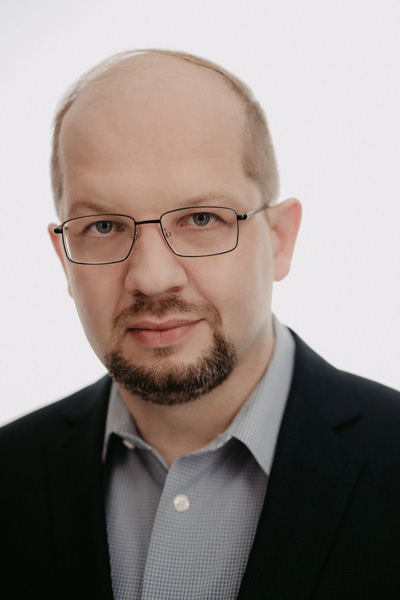
A leading Russian specialist in the field of genome-wide research, molecular biomimetics, extreme biology, genomic approaches in biomedicine and agriculture (including animal husbandry and poultry farming). Head of the Scientific Center “Regulatory Genomics” of KFU, established as part of the project “Regulatory Transcriptomics to assess the potential of genome modification and study regeneration in animal husbandry” Federal Scientific and Technical Program for the development of genetic Technologies of the Russian Federation. Professor at the Faculty of Medicine and the Faculty of Big Data in Medicine, Juntendo University (Japan). Visiting Professor at the International Center for Medical Sciences (IRCMS) of Kumamoto University (Japan).
Over the past 15 years, he has been actively involved in organizing and coordinating joint Russian-Japanese projects in the fields of biology, biomedicine, and genomics.
In the period 2008-2014, with the active participation of O.A.Gusev, a number of scientific research projects were implemented to study the work of genes in extreme conditions, including outer space - joint Japanese–Russian projects AQH, Biorisk, etc. For this block of work, O.A.Gusev was awarded the medal named after Zeldovich RAS and the International Space Association COSPAR.
One of O.A. Gusev's specializations is the field of research of extremophile organisms and animals with unique features. Under Gusev's leadership, the genome of a number of anhydrobiotic (surviving without water) organisms was studied, and key genes involved in the formation of a "molecular shield" allowing survival in conditions of complete dehydration were identified.
The results of these studies have been translated into practice — for example, they are actively used in the LiFePad diagnostic platform. From 2014 to 2020– he was the head of the joint Russian-Japanese laboratory at the largest Japanese institute RIKEN. During this time, a number of joint studies were carried out, including the world's first study of the adaptation of microorganisms to the conditions of the Fukushima reactor, conducting a “mirror” analysis of mutations associated with hereditary oncological diseases in Tatarstan and Japan, as well as the transfer of a number of genetic technologies to laboratories based at Kazan Federal University. University.
In particular, work on hereditary cancer genomics in Tatarstan has become the methodological basis for large genomic projects supported by Rosneft (implemented under the leadership of K. Severinov) and cancer screening projects. Moscow Department of Health. Unique bioinformatic methods have been developed to analyze the contribution of mutations in the regulatory elements of the genome to the pathogenesis of oncological diseases. Joint projects led by Hayashizaki and O.A. Gusev were recognized by the Government of Japan for their contribution to the development of scientific relations between the two countries.
Since 2015, it has been based on the RIKEN-KFU joint laboratory, which in 2021 became the basis for the Regulatory Genomics Research Center (established with the support of Programs for the Development of Genetic Technologies of the Russian Federation), a number of unique projects are being implemented to create and develop sovereign genomic digital resources of the Russian Federation. With the consulting support of the FANTOM team and J. Hayashizaki has created a knowledge base on the work of regulatory elements in the heart of HeartCAGE. A global genetic database is being created on the activity of regulatory elements in the muscles of humans and FANTOMUS primates.
Since 2021, in order to develop new technologies for genomic breeding and genetic methods for agriculture, O.A. Gusev's team has been developing Chicken_TSS_Russia platforms that combine data on the interaction of RNA, genome structure, metabolome and other omix data and useful features of farm birds. Starting this year, this approach of smart-RNA technologies for genomic breeding is planned to be actively used on the basis of industrial partners from the agro-industrial complex. It is also planned to expand the application in the field of pig breeding.
The newest initiatives:
Under the leadership of O.A. Gusev, active research is underway in the field of “extreme” examples of animal adaptations, as well as their potential applications in biotechnology and biomedicine: the unique regeneration abilities of acomys needle mice (a number of genetic mechanisms have been identified and key genes are being investigated). A number of molecular participants in the mechanism of ultrafast blood clotting during wounds in needle mice have been identified, which allows these animals to quickly stabilize wounds. A new generation of cryoprotectors is being developed (based on biomimetic knowledge of the mechanisms of unique invertebrates), and mechanisms for controlling mammalian aggression at the level of individual cells in the brain are being investigated. Together with the teams of the Siberian Branch of the Russian Academy of Sciences, a newly discovered substance that initiates artificial hibernation in mammals is being studied.